Mandan sits at 1,647 feet on the west bank of the Missouri, directly across from Bismarck, and is the Morton County seat with about 25,061 residents. It was founded in 1879 as a Northern Pacific railroad support settlement, became a village in 1881 and a city in 1883, and the Mandan Commercial Historic District still centres on the 1930 Northern Pacific depot.
That history is not decoration on this page. It is the reason a Mandan floor coating quote starts with different questions than a Bismarck one.
Old Housing Stock Means Old Slabs
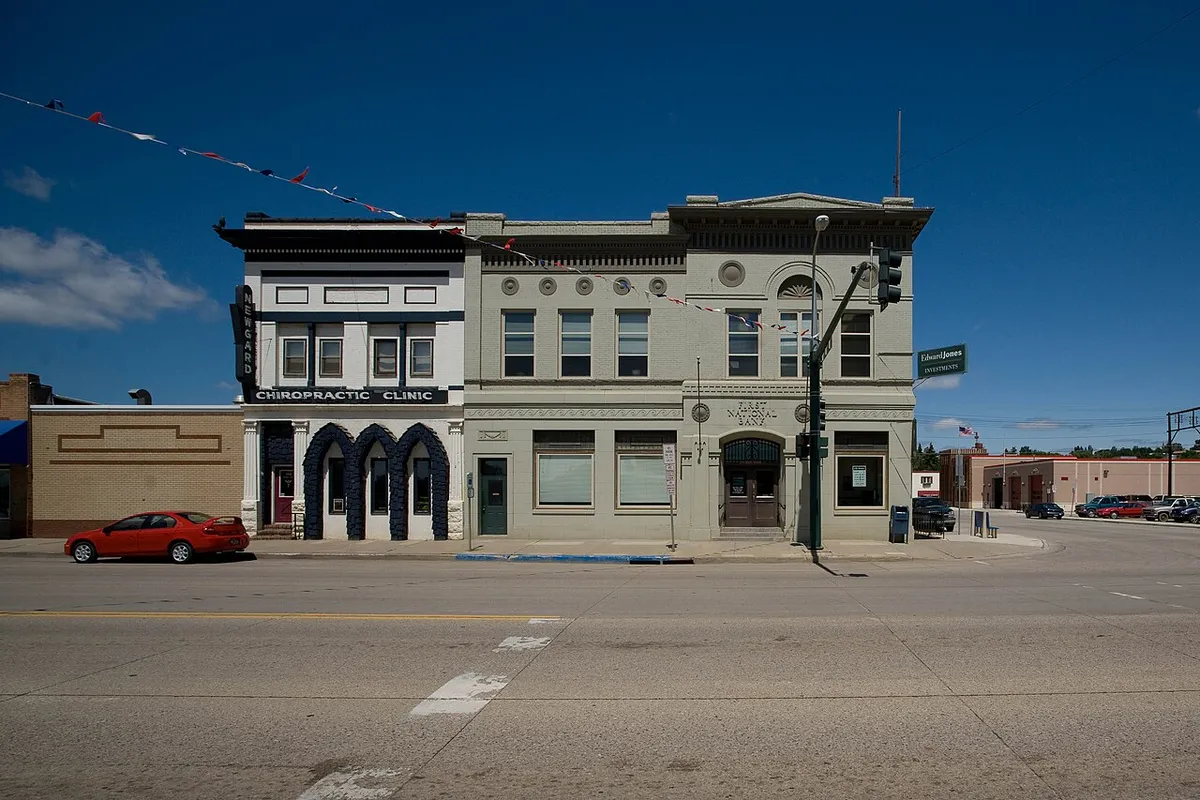
A large share of Mandan's housing near the historic core predates the poly vapour retarder being routine under a slab. Concrete poured straight onto grade moves moisture upward for the rest of its life. A film coating over an active moisture drive collects vapour at the bond line and blisters, which reads to the homeowner as a bad product when it was actually an unasked question.
So Mandan slabs are worth testing more often than the north Bismarck new builds. Calcium chloride and in-situ relative humidity testing exist for exactly this, and where a slab genuinely will not support a film, the honest answer is a penetrating sealer instead. That answer costs the installer a sale and saves the customer more.
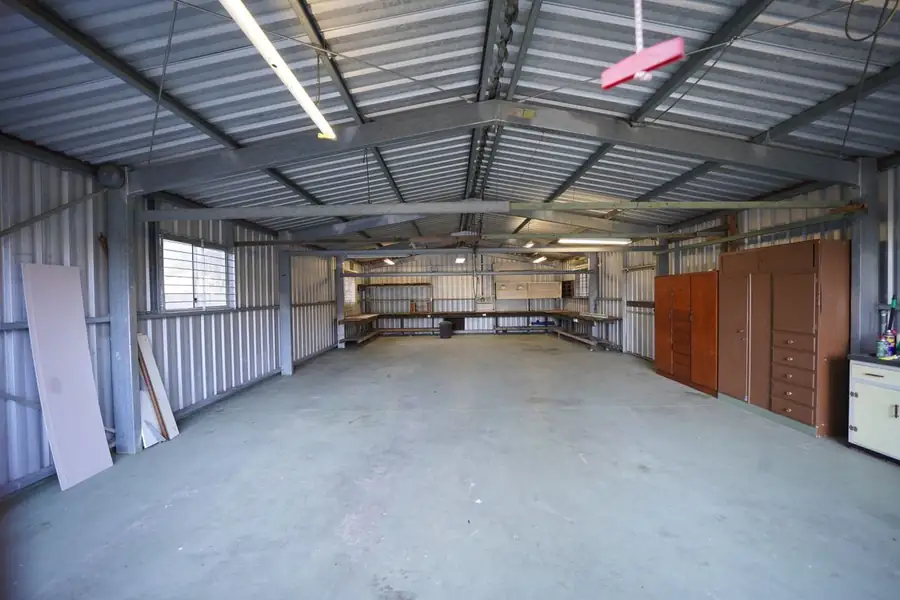
The other pattern in old Mandan is the detached alley garage. Single bay, often original to the house, unheated, and reached down a narrow alley that limits how close a truck and dust extractor can park. Both are workable. Both change the scheduling and neither should be a surprise on install day.
A Working Town Needs Working Floors
Mandan's largest employers put a lot of industrial slab in a small city. NISC runs a campus with over 450 employees. BNSF Railway employs over 320 here and keeps division headquarters plus major maintenance facilities in town. The Marathon Petroleum refinery north of the city runs 73,800 barrels a day with about 250 staff. The R.M. Heskett power station sits along the Missouri four miles northeast of downtown.
Around all of that sits the supporting trade: fabrication shops, truck bays, small fleets and contractor buildings. Those floors want chemical resistance, real film build in the traffic lanes, and a return to service measured in hours rather than a week. Shop and commercial floor coatings →
Winter Hits a Mandan Floor the Same Way
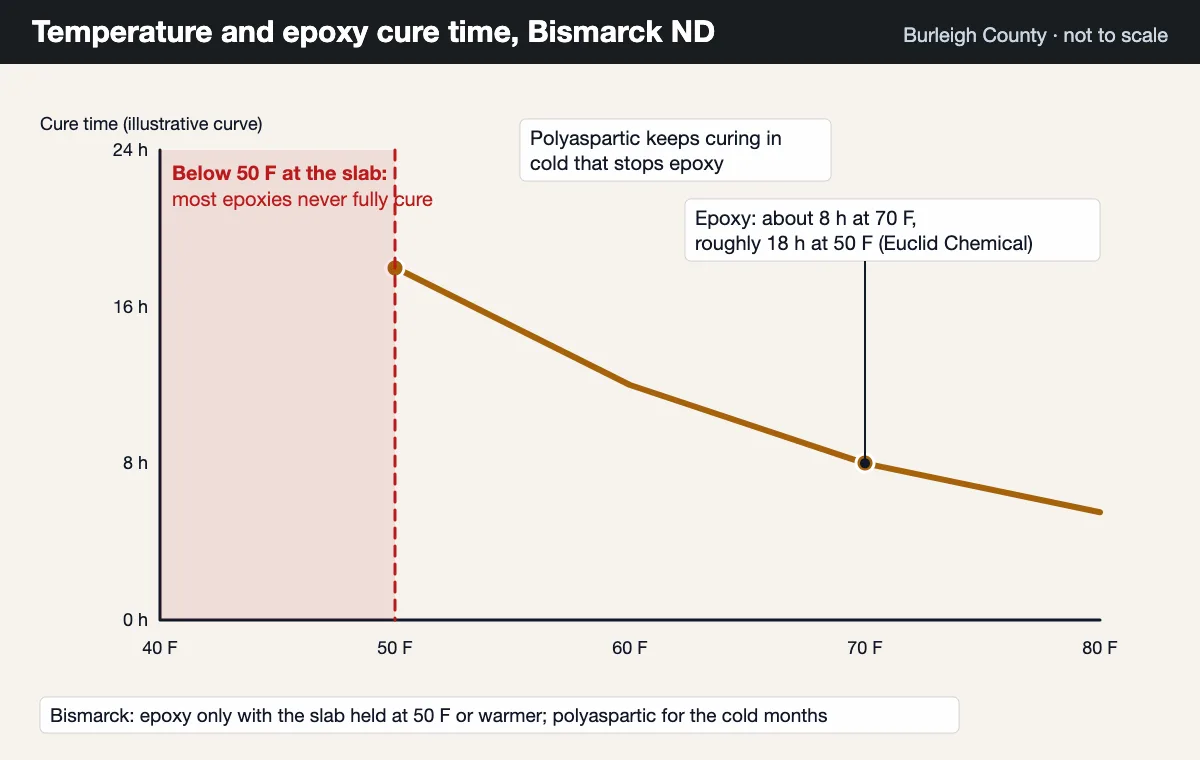
Mandan shares the Bismarck climate: roughly 3.4 months of cold season with average highs under 35 F, about 50 inches of snow, and NDDOT running salt, salt and sand, and a beet-blended brine that works well below zero. The chloride slurry comes off the vehicle in the first eight to ten feet inside the door and cycles through freeze and thaw there all winter.
On an older, more porous Mandan slab that drip zone tends to be further along than its Bismarck equivalent, simply because it has had more winters. Grinding back to sound concrete and a full flake broadcast is the common specification, because the flake hides the repair and the coating stops the brine reaching the pore structure at all. Repair and prep →